Leather Materials
Leather materials fall primarily into two categories: natural leather and synthetic leather. The most widely circulated and popular materials on the market today include top-grain cowhide, sheepskin, microfiber leather, PU leather, and PVC leather.
- Top-grain cowhide: A natural leather known for its strength and breathability; it develops a unique patina over time and is commonly used in mid-to-high-end luggage, furniture, and leather goods.
- Microfiber leather (microfiber synthetic leather): A premium synthetic option featuring a fiber structure that mimics natural leather. It offers excellent durability, tear resistance, and physical stability, along with consistent texture and color. It is currently the leading alternative to natural leather—offering great value—and is widely used in footwear, luggage, and automotive interiors.
- PU leather: The most ubiquitous synthetic leather on the market. It is lightweight, versatile in processing, and offers a wide range of colors and textures at a moderate cost; it is well-suited for fast-fashion leather goods and decorative fabrics.
- PVC leather: The most cost-effective option; it is waterproof, stain-resistant, and holds its shape well. It is ideal for budget-friendly products, decorative applications, and furniture upholstery.
The diversity of these materials—stemming from differences in base substrates, physical properties, wear resistance, tactile feel, color versatility, environmental standards, pricing, and batch consistency—creates a wide range of choices suitable for everything from high-end luxury items to affordable consumer goods. Given this vast array of options, we are here to help you select the specific material that best meets your needs.
Our Service–Material Screening
Ⅰ Matching based on physical samples
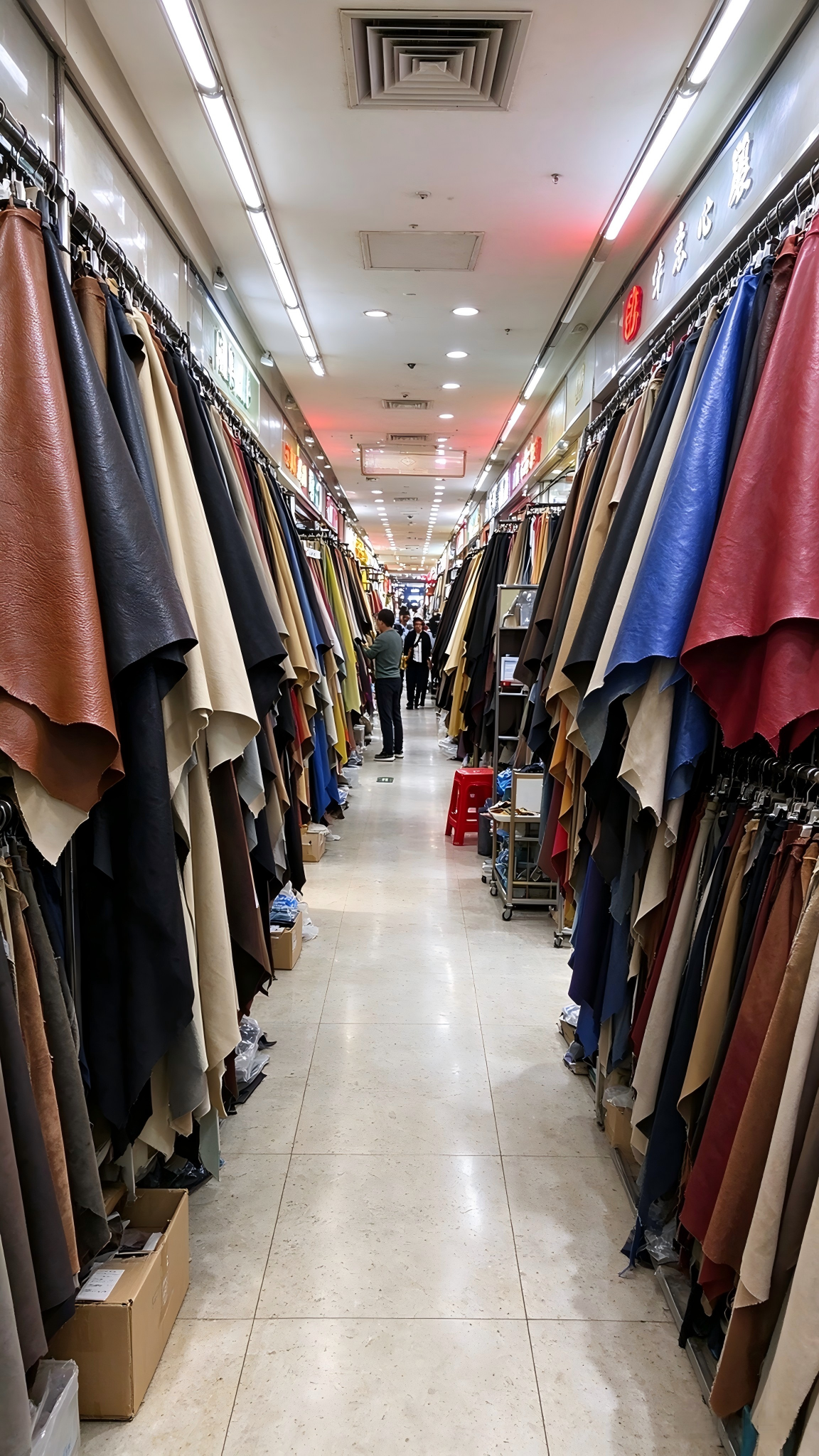
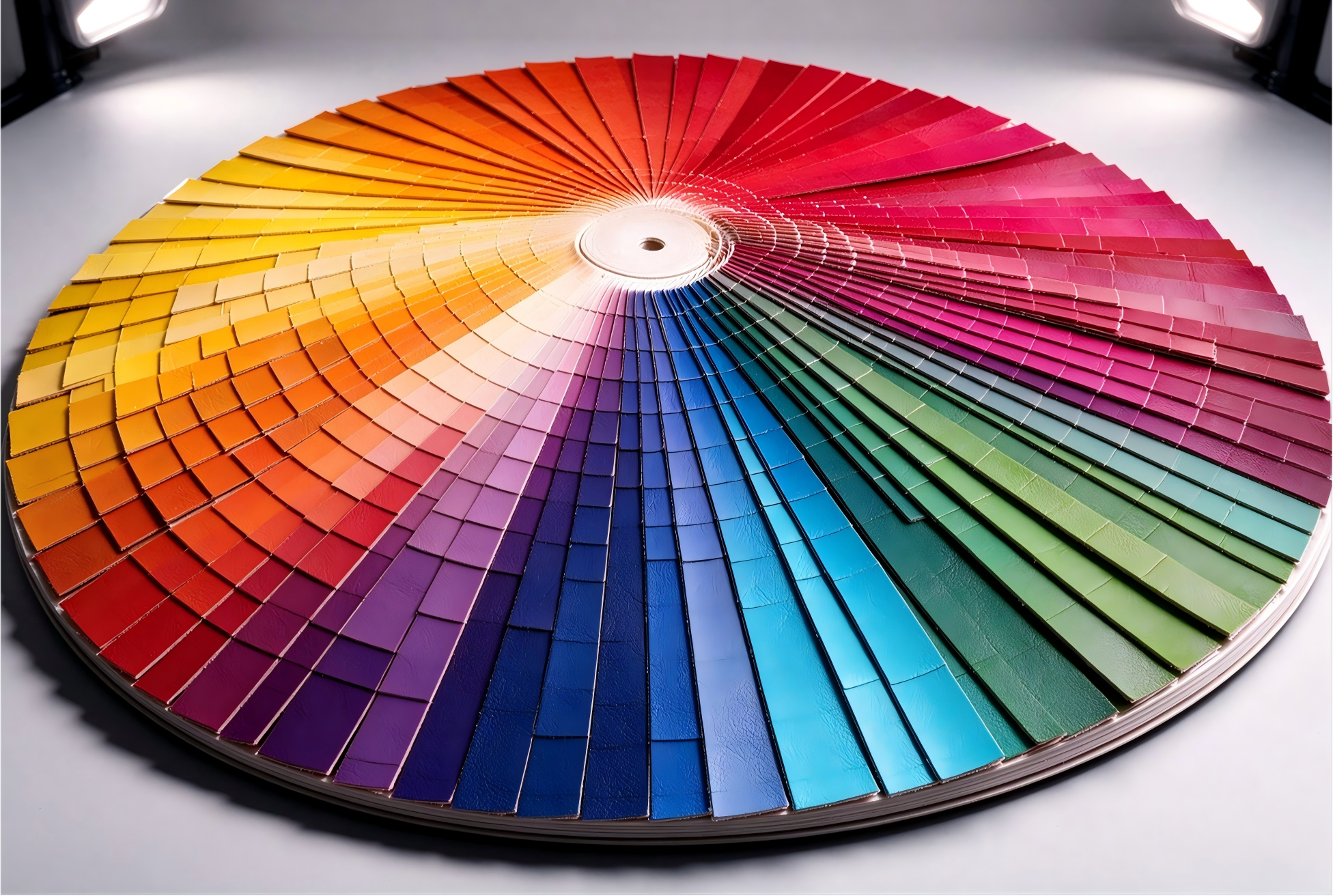
The most efficient way to find the right leather is to send your sample to us, and we will quickly take the sample to the leather market to source readily available materials that closely match the color, grain, and surface finish.
This not only meets your requirement for closely matched leather and saves custom tooling costs, but also enables to conduct rapid sampling to verify the finished effect.
Ⅱ Matching based on specific parameter requirements
If a physical sample is unavailable, you can provide photos of the leather and specify requirements regarding material, thickness, hand-feel, and intended use and others. We will then source suitable materials from the market and send them to you for confirmation.
Our Service–Support Leather Processing
If secondary processing is required, we can coordinate with our reliable partner factories to process the leather according to your drawing specifications and send the finished samples to you.
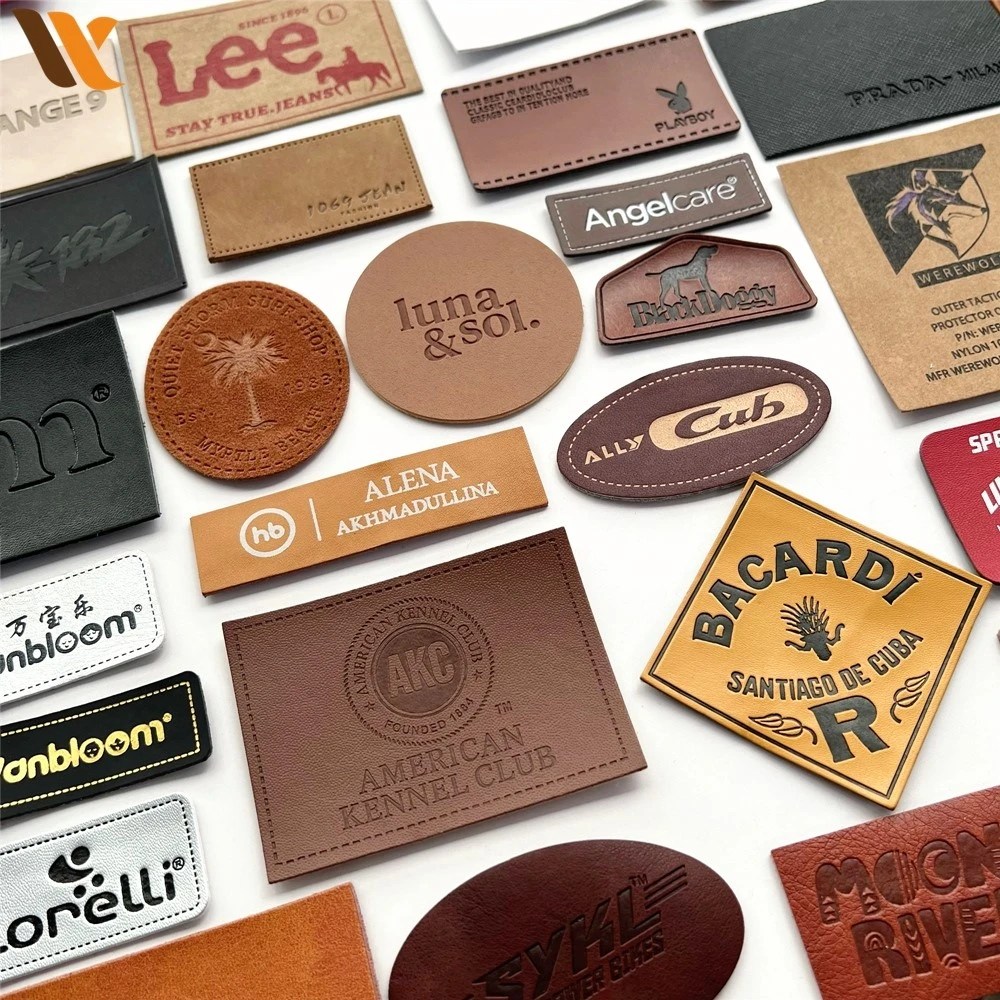
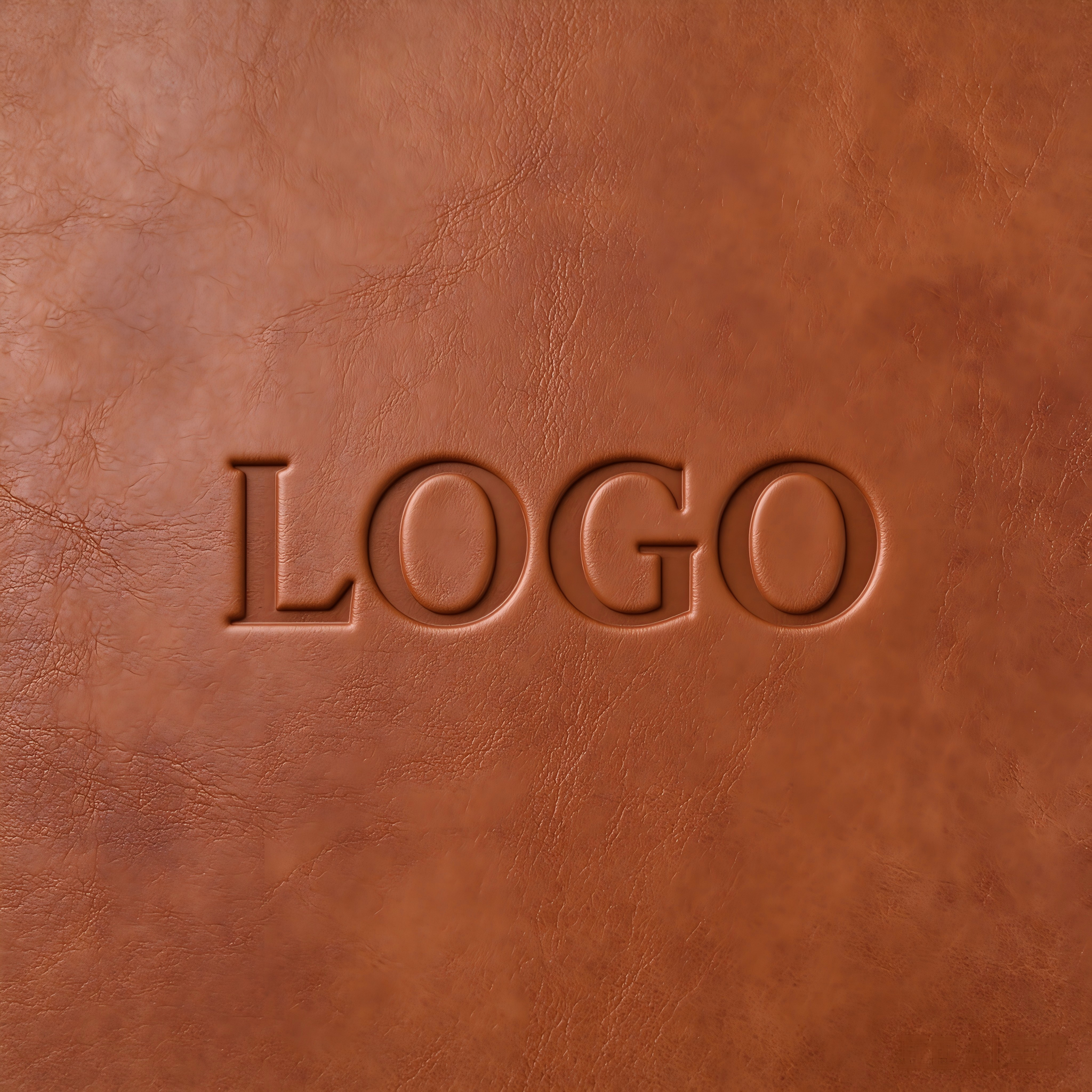
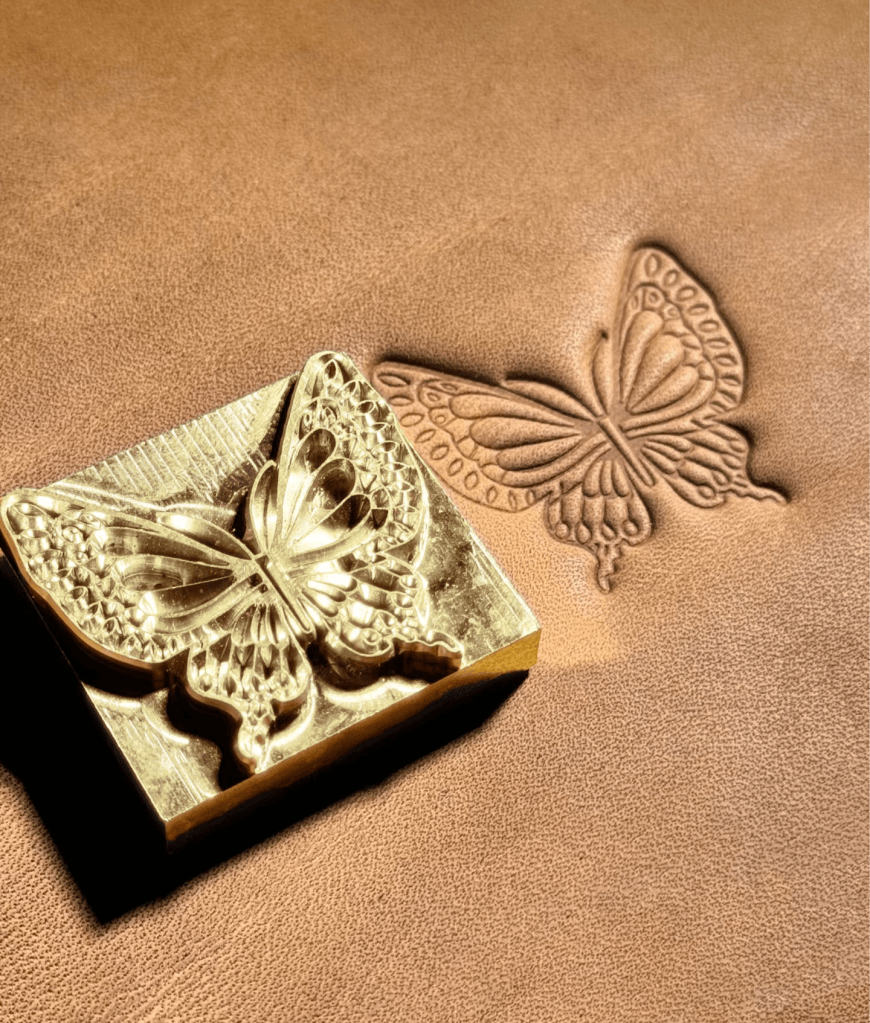
Deboss
A high-temperature steel mold presses down, creating a recessed logo in the leather surface.
Emboss
A mold pushes down the leather material, causing the pattern to bulge outward and creating a three-dimensional embossed effect for the logo.
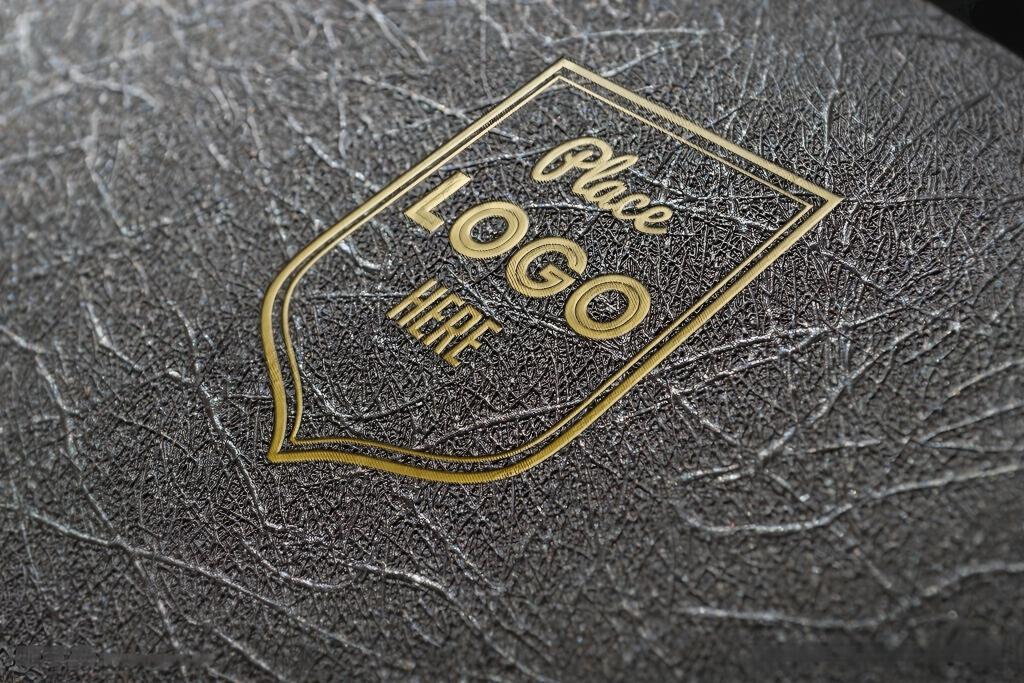
Hot Foil Stamping
Hot-press molding combined with the transfer of metal foil onto the leather surface.
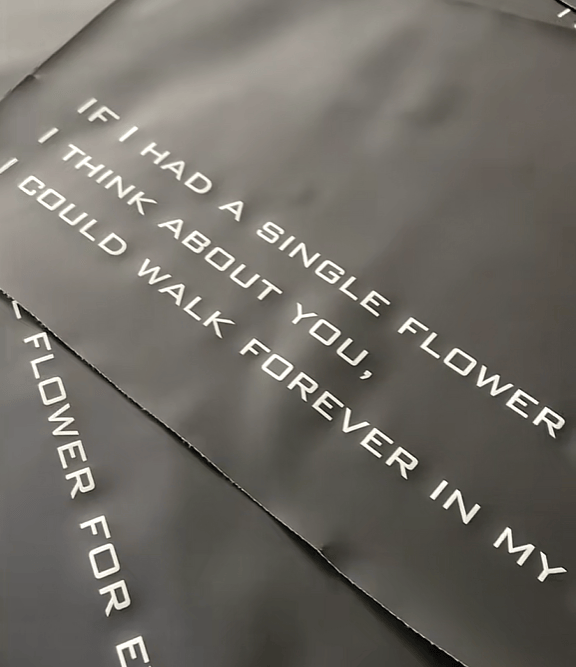
Screen Printing
The ink sits on the leather surface without creating relief (thin-film printing). For bulk orders, single-color screen printing is cheaper than UV printing.
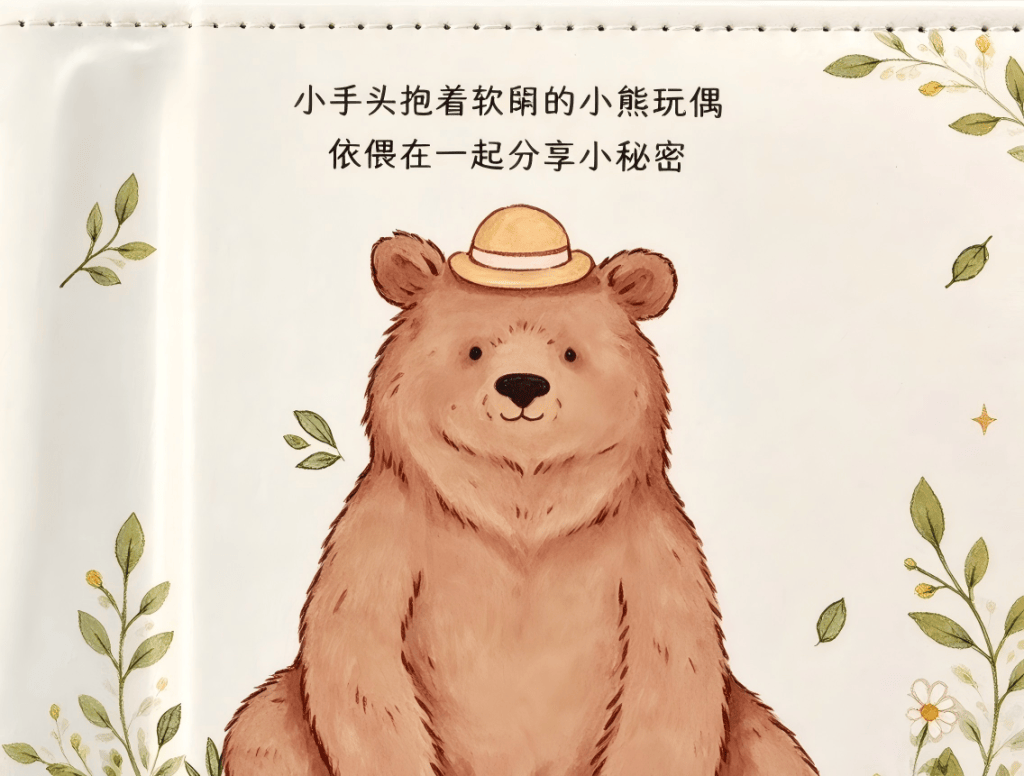
UV Printing
No plate making is required. It allows for direct printing of color gradient illustrations with high pattern clarity.
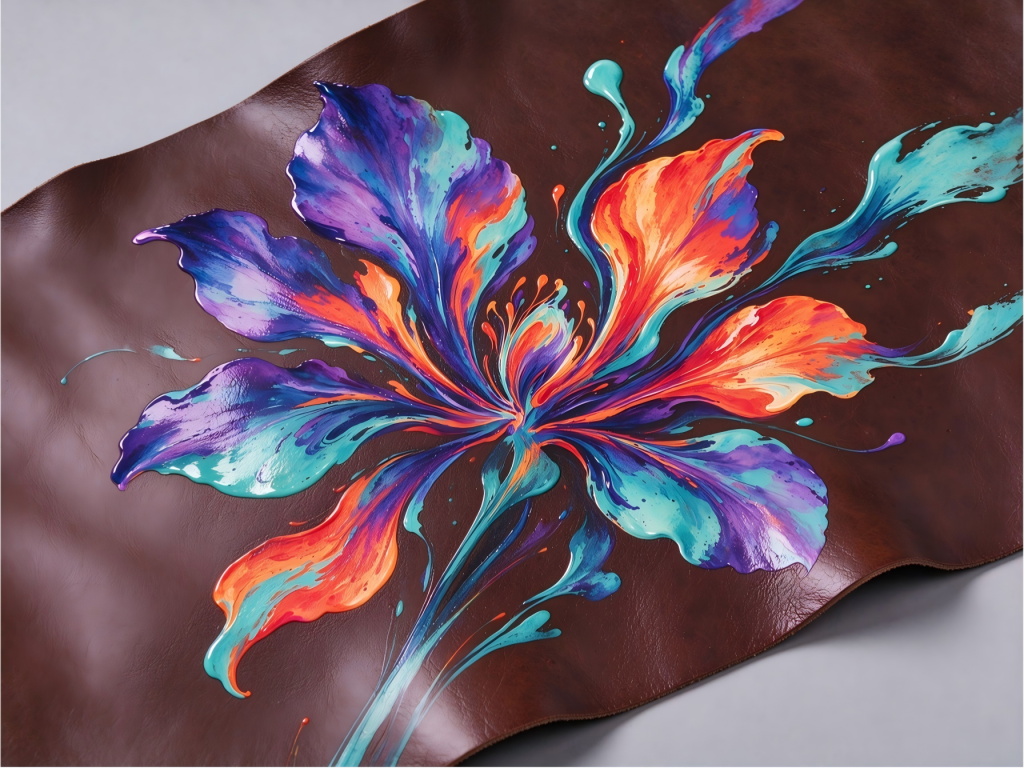
Other Digital Printing
In addition to UV printing, leather digital printing includes solvent printing, latex printing and PET film transfer. You may provide reference artwork and your specific requirements so we can confirm the optimal printing method.

